
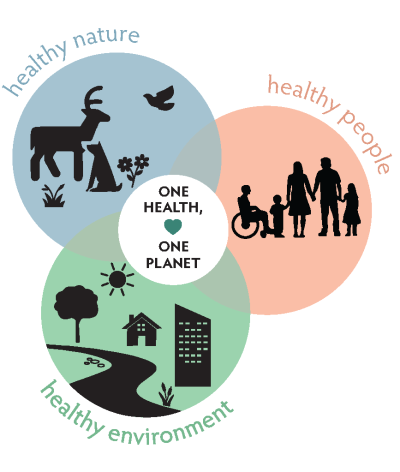
One Health Approach
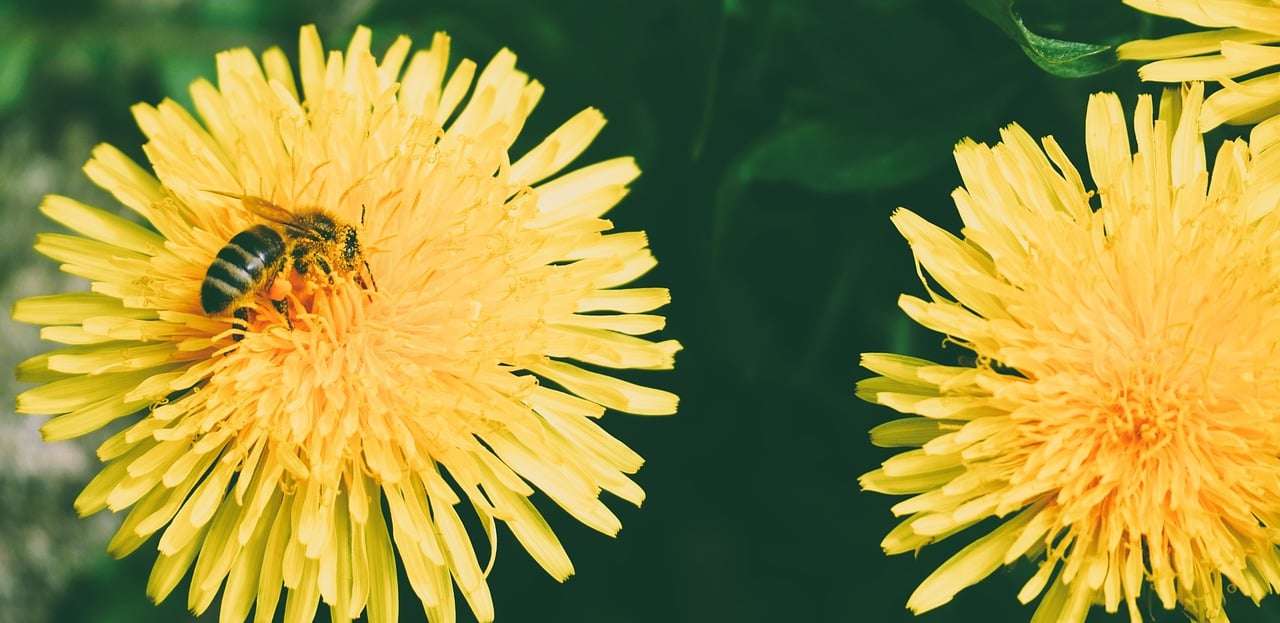
Nature, through its biodiversity, creates the very conditions for life: it regulates the climate, purifies water, pollinates plants, enables nutrient cycling, and mitigates the impacts of climate change. When we lose this diversity, we also lose the planet’s natural safety mechanism.
One Health is therefore not only a professional approach but also a way of thinking that connects natural, social, and health sciences with the sphere of decision-making.
Human and Civilization – A Part, Not the Centre of the System
Humans are a part of nature, even though technological and economic development has often created the illusion of separation. In reality, all basic conditions for life – food, water, air, energy, and raw materials – depend on healthy ecosystems and the balance within nature.
Modern diseases, such as respiratory disorders caused by pollution, diet-related illnesses, stress, and the decline in mental health, often result from a disrupted relationship with the environment. When we forget that we are part of natural processes, we also lose our own resilience.
The One Health approach encourages us to understand health in a broader sense – as a state of physical, mental, and ecological balance. A healthy person is one who lives in a healthy environment, with respect for living beings and nature upon which their existence depends.
The Living World – The Heart of Nature
The living world represents the heart of our planet. Animals, plants, fungi, and microorganisms are not separate elements but an interconnected web of life that enables the flow of matter, energy, and natural balance.
Plants produce oxygen and food, microorganisms decompose waste, fungi form symbiotic relationships, and animals pollinate, disperse seeds, and maintain population stability.
When we interfere with this web – by destroying habitats, practicing intensive agriculture, polluting, or overusing antibiotics and pesticides – we disrupt biodiversity, which is the foundation of nature’s and humanity’s health.
Preserving natural ecosystems and species diversity is therefore key to the planet’s resilience. Every form of life plays a role in maintaining the balance that keeps Earth alive.
The Environment – The Space of Life and Connection
The environment is the space where all forms of life coexist. It includes air, water, soil, climate, and the ecosystem processes that allow the planet to breathe, grow, and renew itself.
When the environment becomes polluted or overburdened, the quality of food and water decreases, nature’s self-regulating ability weakens, and the risk of disease outbreaks rises.
A healthy environment is the fundamental condition for the existence and wellbeing of all living beings – humans, animals, plants, fungi, and microorganisms.
Well-preserved ecosystems and biodiversity provide essential resources such as clean water, air, and food, while ensuring the stability of natural and social systems.
Nature – Our Common Home
Nature is the living space for all beings and the very condition of their survival. Its biodiversity acts as the planet’s protective layer, enabling ecosystems to adapt to change and recover after disturbances.
Protected areas play a vital role in this process: they conserve species diversity, safeguard habitats, regulate natural processes, and strengthen ecosystem resilience.
Every preserved forest, stream, or meadow contributes to the health of the wider environment – and indirectly, to human health. Caring for nature is therefore also caring for health, safety, and the shared future of all life.
One Nature, One Health
One Health is more than a link between medicine and ecology – it is a philosophy of interdependence.
Instead of talking about the health of humans, animals, plants, or microorganisms separately, we must speak about the health of life as a whole.
Only by maintaining ecological balance, biodiversity, and a clean environment can we sustain the health of society, the economy, and individuals.
The health of the planet is our health – one nature, one health.
Explanation of Key Terms
Environment
The environment is the space where all forms of life coexist. It includes air, water, soil, climate, and all natural processes that make life possible. It shapes the conditions for survival and reflects how humans interact with nature.
Nature
Nature encompasses all living and non-living elements – from microbes, plants, and animals to rocks, rivers, and the air. It is a self-regulating system that maintains balance on Earth. Humans are part of it, not its owners.
Microorganisms
Microorganisms are microscopic organisms such as bacteria, viruses, archaea, fungi, and protists. Although often associated with disease, they play a key role in decomposition, nutrient cycling, soil formation, and the health of humans, animals, and plants.
Biodiversity
Biodiversity refers to the variety of life at all levels – from genes and species to ecosystems. The greater the diversity, the more resilient the natural system is to change and disturbance. The loss of biodiversity threatens the stability of the entire planet.
Ecosystem
An ecosystem is a community of living organisms interacting with each other and their environment. Forests, wetlands, rivers, and meadows are examples of ecosystems. Every component – from plants and animals to microorganisms – has a role in maintaining natural balance.
Ecosystem Processes
Ecosystem processes are the natural flows and interactions that sustain life on Earth. These include the cycling of water, carbon, and nutrients, photosynthesis, pollination, decomposition, and climate regulation. They connect all forms of life and maintain balance in nature.
Ecosystem Services
Ecosystem services are the benefits people obtain from nature when ecosystems function properly. These include goods and processes such as clean water, air, food, pollination, climate regulation, nutrient cycling, and flood protection.
Without these “services,” life on Earth would not be possible. Preserved ecosystems are therefore not only beautiful or interesting but are the foundation of health, safety, and societal wellbeing.
Ecological Balance
Ecological balance is a state in which relationships between organisms and their environment are in harmony. In such balance, populations remain stable, natural processes run smoothly, and ecosystems can recover after disturbances.
When this balance is disrupted, the risks of disease, environmental degradation, and biodiversity loss increase.
Thank you.