
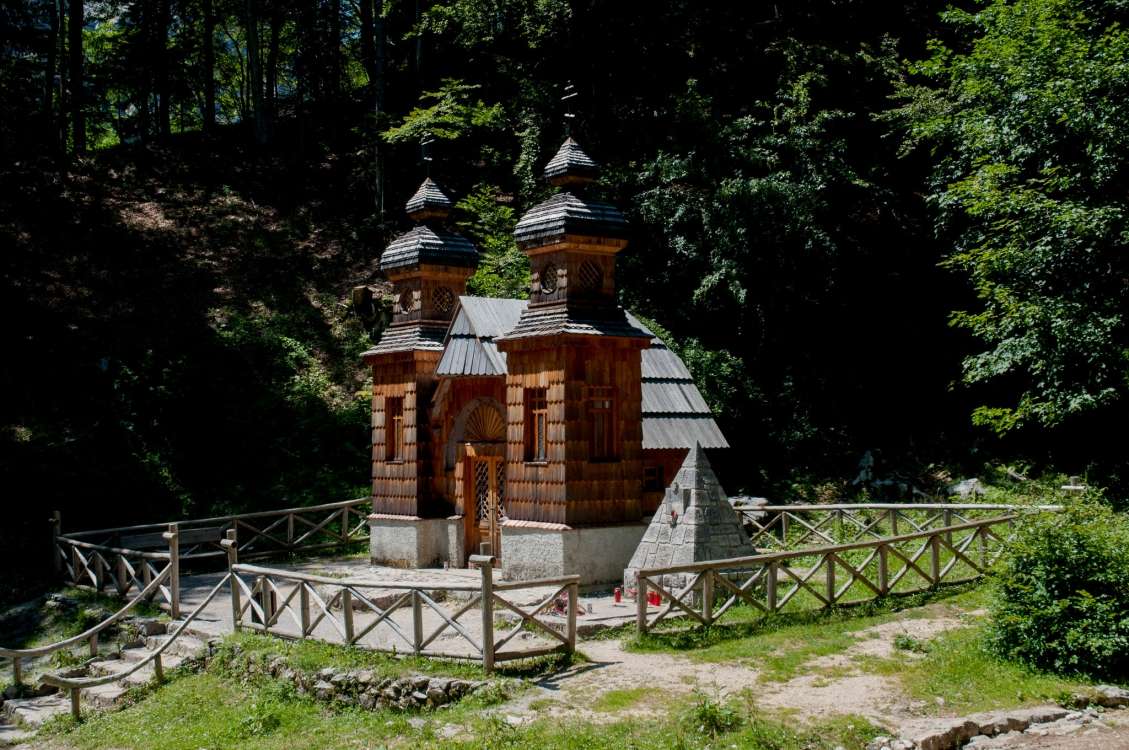
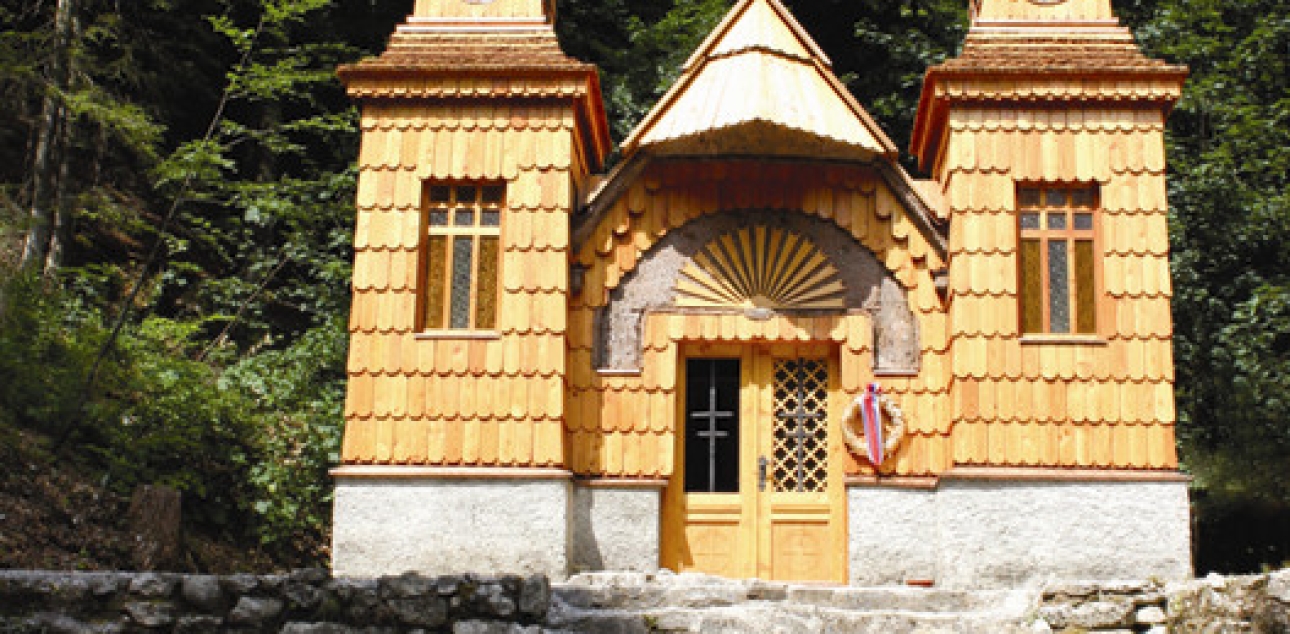
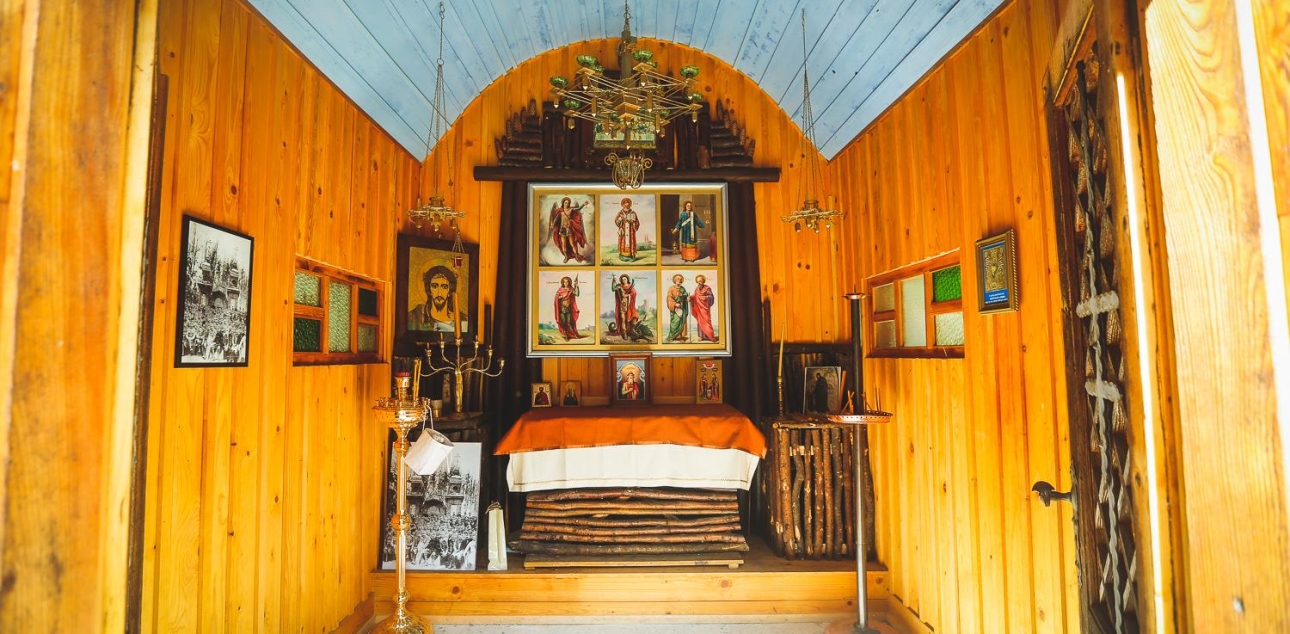
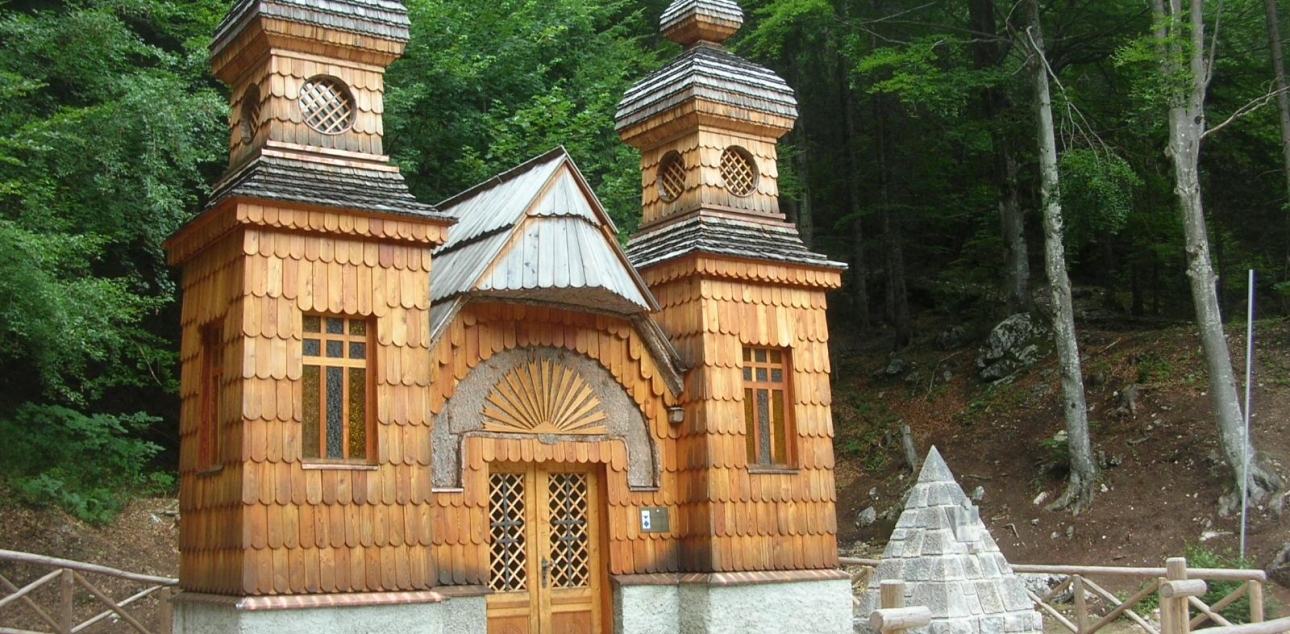
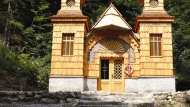
The Russian Chapel
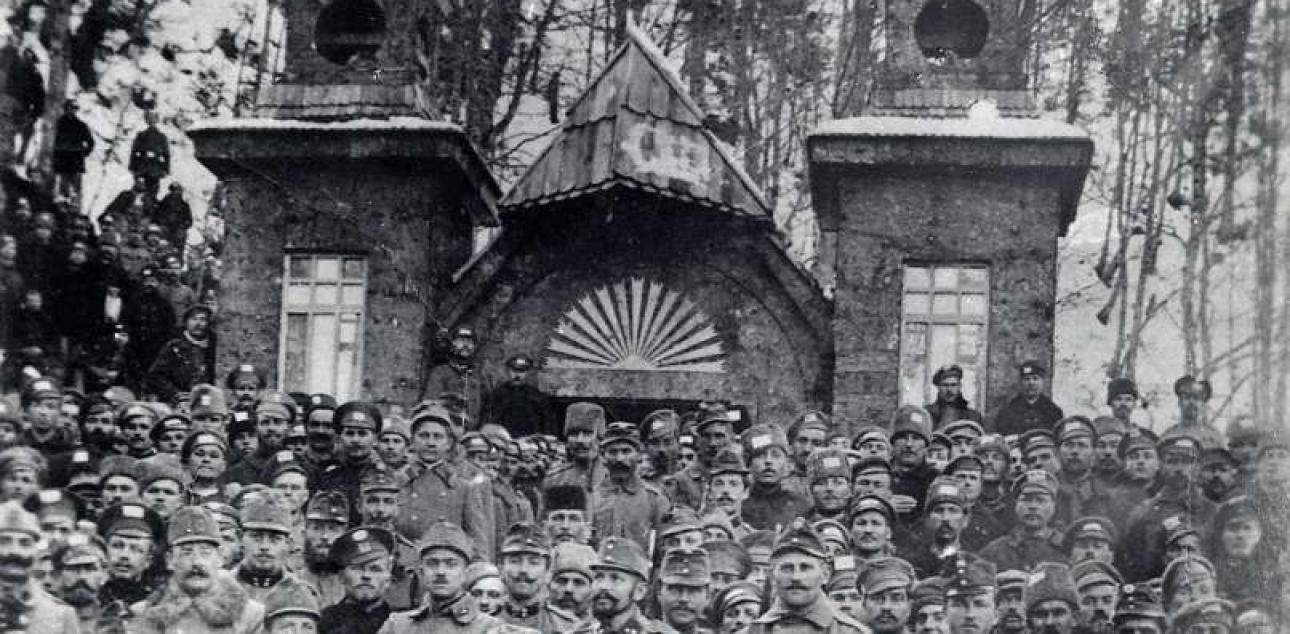
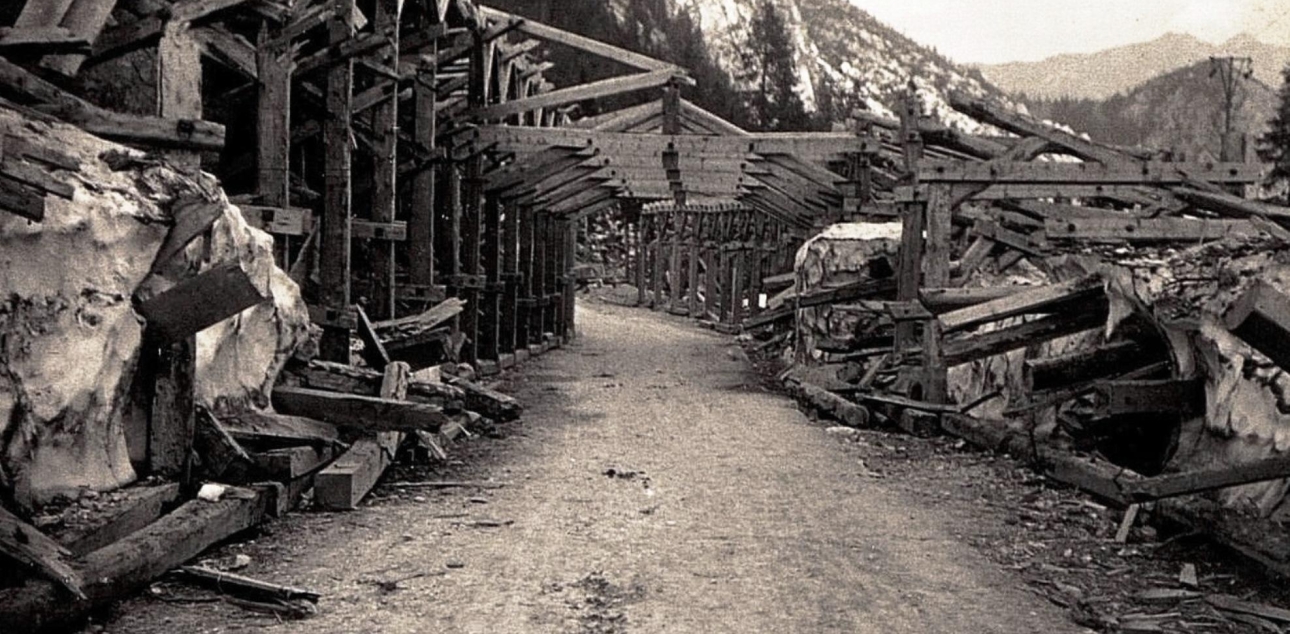
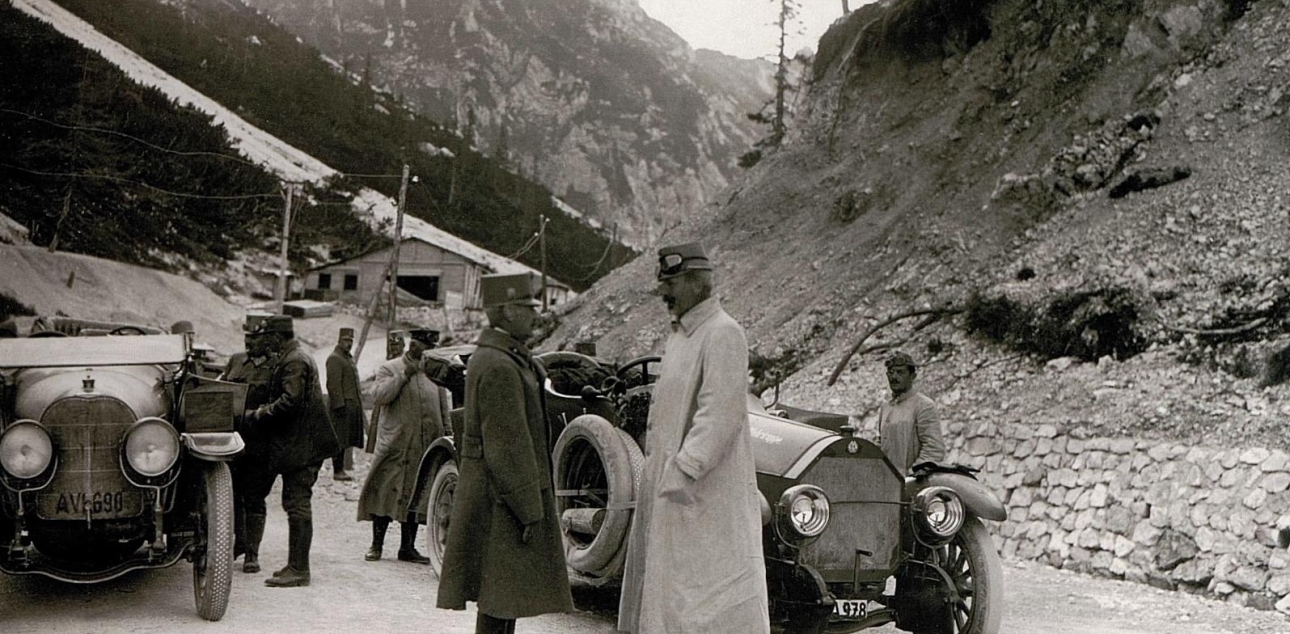
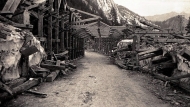
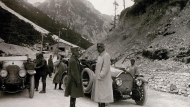
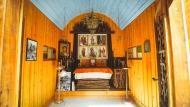
Military law required that appropriate religious care be provided to war prisoners as well. Around 10,000 military prisoners took part in the construction of the road, most of them from the Russian Empire (Russians, Ukrainians, Belarusians, Georgians, and other nations), as well as Italians, Serbs, and Montenegrins.
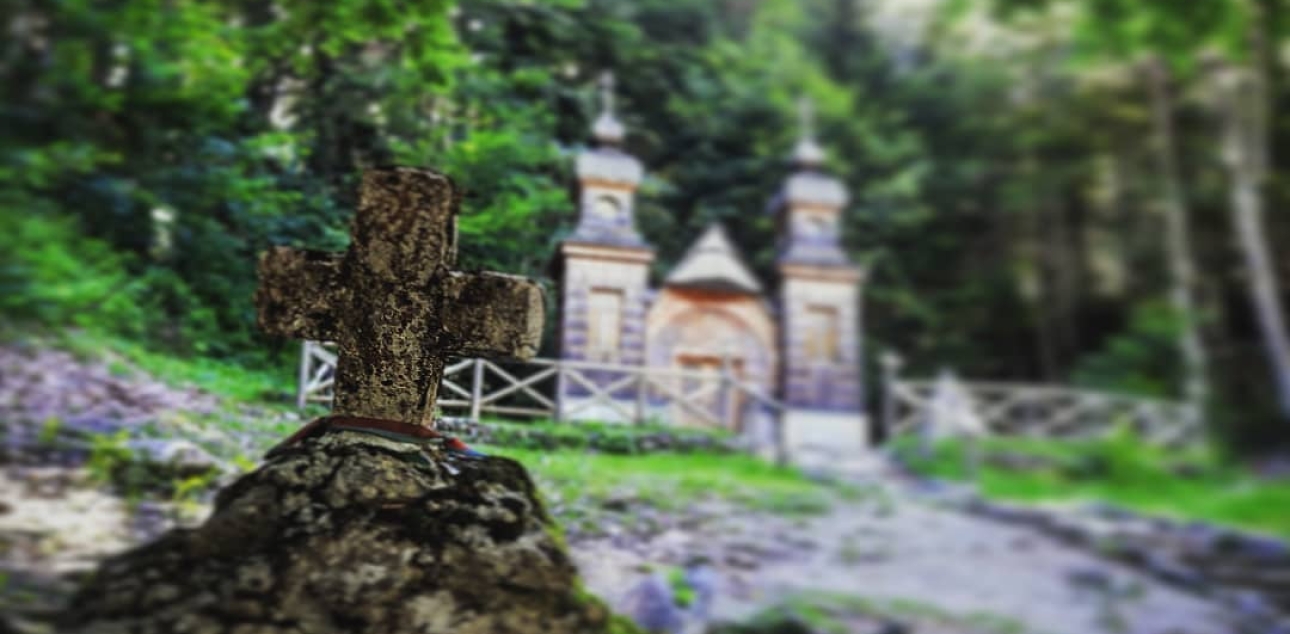
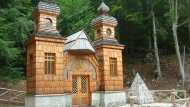
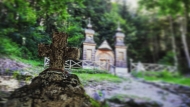
Next to the chapel stands a tomb with a pyramid-shaped monument and an inscription in Russian: "To the sons of Russia," erected in 1937-38. The origin of the bones in the tomb is unknown, as they were transferred from an unknown location. Nearby is also the memorial grave of an "unknown" soldier (archival sources confirm that this refers to the Russian prisoner Peter Polovčev).
The widely held belief that the chapel was built in memory of the tragedy of the war prisoners who were buried by an avalanche is incorrect, as it was constructed before this tragic event, which occurred in March 1916.
Your safety is your responsibility
In the natural environment, you may encounter falling rocks and trees, slippery and uneven terrain, sudden changes in weather, high water levels and wild animals. The park authority maintains trails within the scope of its responsibilities and available resources but cannot guarantee your safety. Visitors are responsible for adapting their plans to the weather and trail conditions, choosing trails suited to their abilities, using appropriate equipment, staying on marked trails and acting responsibly.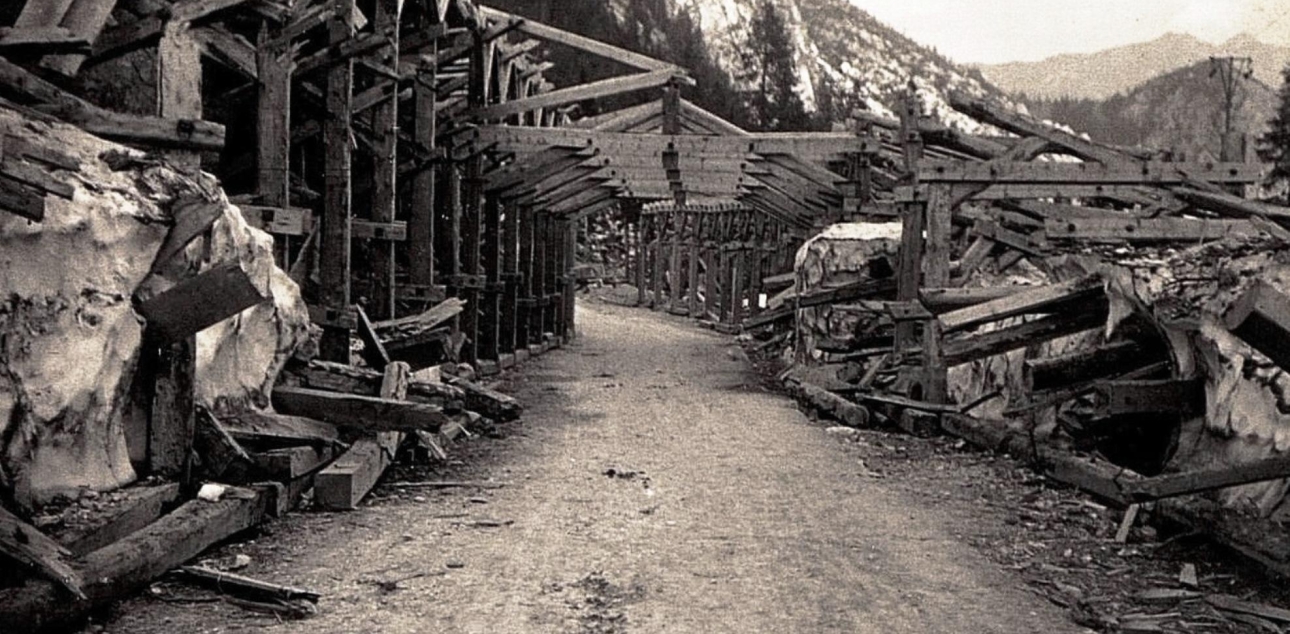
Thank you.